
Peptides as functional excipients for drug delivery
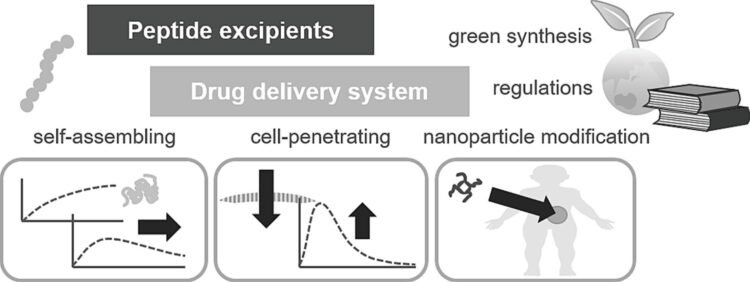
Peptides offer a highly versatile class of functional excipients thanks to their diverse amino-acid compositions, sequences, and conformations, which enable specific and tunable interactions in drug delivery systems. Short peptides are easier to design and manufacture, are biodegradable with low toxicity concerns, and can be produced at relatively low cost. Their use in drug delivery has shown promising performance: self-assembling peptides can facilitate drug loading and sustained release, cell-penetrating peptides can improve cellular uptake and promote transmucosal permeation, and peptide ligands on nanoparticles can support targeted delivery to specific cells and tissues. Recent progress has led to clinical approval of new peptide excipients like PuraStat and RTP004. The review also highlights the importance of green peptide synthesis and evolving regulatory expectations to ensure peptide excipient safety, quality, and broader adoption in pharmaceutical products.

Comments
No comments posted yet.
Articles you may like
Related products




Looking for additional information?
Let us help you